
Università degli Studi di Perugia
The University of Perugia, founded in 1308, is one of the oldest universities in our country. It promotes the path of innovation by offering a wide range of training, international degree courses and post-graduate courses. Its approximately 25,000 students can count on high-level services in the fields of orientation, job placement, sports activities and numerous others which in recent years have contributed to it gaining first place among the large universities in the CENSIS ranking and obtaining the ECTS Label.
Role in the Project
The University of Perugia leads Work Package 7 that looks into how corruption is portrayed in the legacy and social media. We begin by creating an EU media capture risk map. Starting with this map, we examine the effects of capture on corruption coverage, as well as how investigative journalism might contribute to corruption prevention. We also examine social media’s impact on the depiction and social construction of corruption. Social media can either promote anticorruption efforts by involving a diverse range of participants in public discourse, or it can propagate misinformation and increase the political instrumentalization of corruption cases, thereby promoting malevolent actors’ activities.
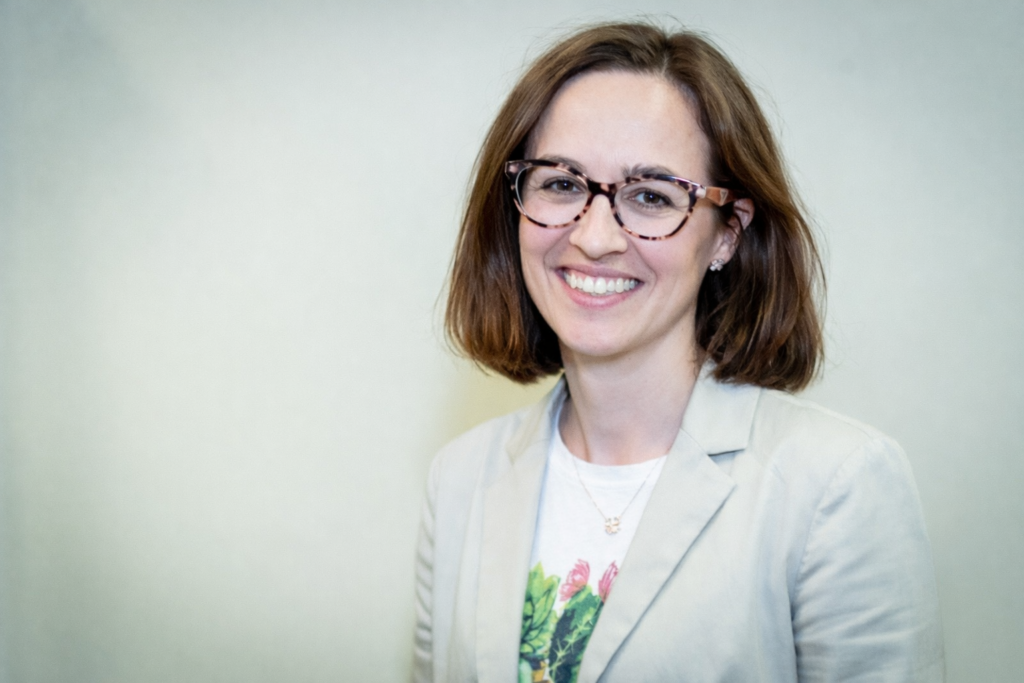
Associate Professor at the Department of Political Science
Rita Marchetti (PhD) is an Associate Professor at the Department of Political Science, University of Perugia. She currently leads Work Package 7 “Assessing Legacy and Social Media” within the Horizon BRIDGEGAP project.
She has participated in several national and European research projects – also in coordination roles – funded by the Italian Ministry of University and Research and the European Union. These include ANTICORRP (7th FP), which examined global patterns of corruption and European policy responses; Politicanti (PRIN 2017), devoted to the politicization of corruption and anti-corruption strategies; and SOMMOSSA (PRIN 2022–PNRR), which investigates the role of social media and civic mobilization as tools for monitoring and shaping the social construction of corruption.
Her publications appear on relevant scientific journals, among which European Journal of Communication, Social Media+Society, The Communication Review, The International Journal of Press/Politics, Journalism, Journalism Studies, Journalism Practice, American Behavioral Scientist.
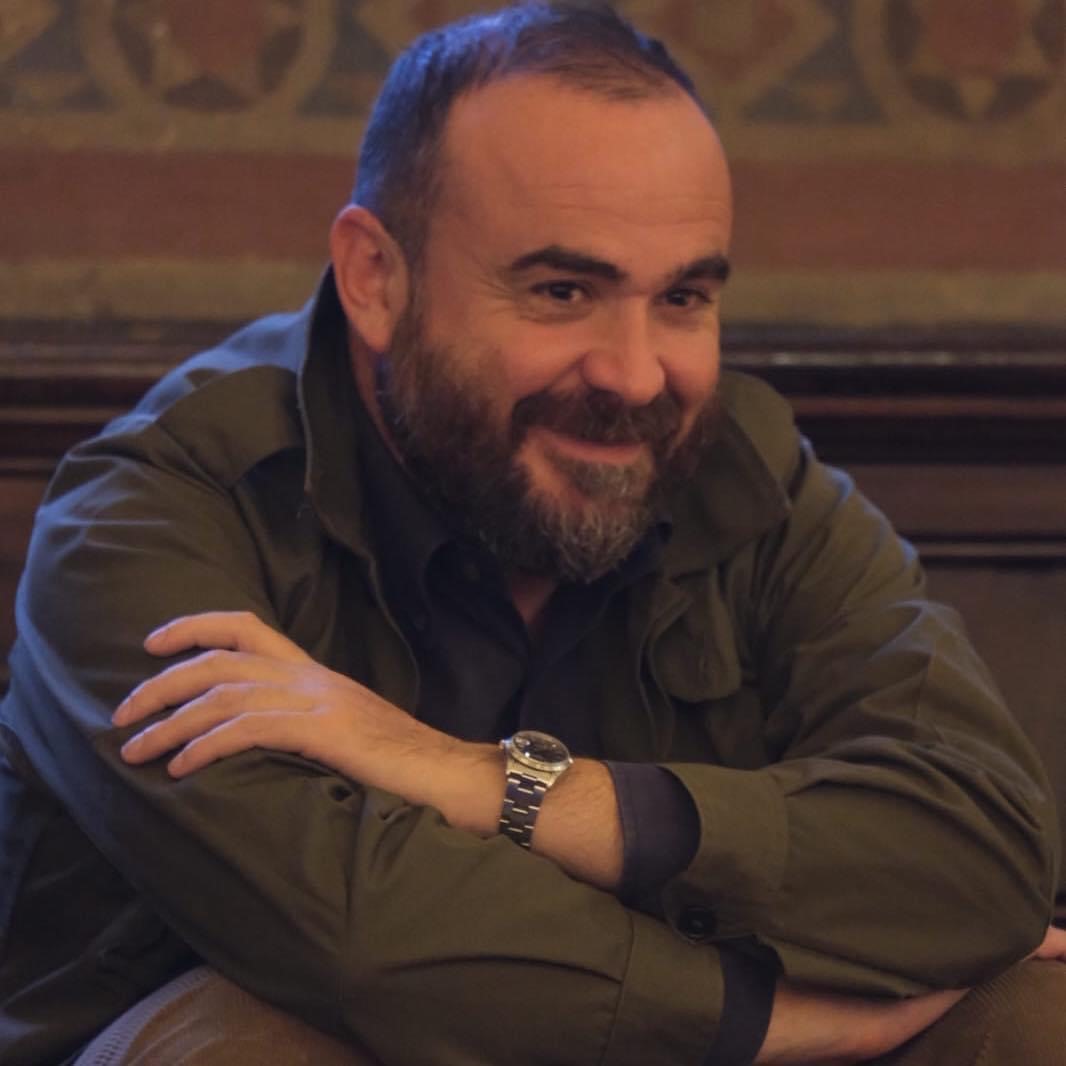
Professor of Sociology of Communicationat the Department of Political Science
Marco Mazzoni (PhD) is Professor of Sociology of Communication at the Department of Political Science, University of Perugia. His research focuses on journalism, media systems, political communication, corruption, and lobbying and public relations.
He is the Principal Investigator of the PRIN PNRR-funded project SOMMOSSA (“SOcial media and civic Mobilization as MOnitoring toolS in the SociAl construction of corruption”) and leads the Perugia unit of the MUR–PRIN 2022 project “Fandom democracy? Celebrity and new forms of citizens’ engagement.”
He has presented his work at major international conferences, including APSA, ECPR, ICA, ECREA, and ESA. His articles have appeared in leading journals such as The International Journal of Press/Politics, European Journal of Communication, Journalism, Journalism Studies, Journalism Practice, and Journalism & Mass Communication Quarterly.
Assistant Professor at the Department of Political Science
Anna Stanziano (PhD) is Assistant Professor at the Department of Political Science, University of Perugia. Her research focuses on political communication, journalism, media coverage of corruption, and the public perception of corruption.
She has participated in several national and European research projects on corruption and anti-corruption, including ANTICORRP (FP7), APTA MOD (EU Hercule III Programme), and PolitiCAnti (MIUR PRIN 2017). She is also a member of the international Journalistic Role Performance Project (JRP), a cross-national research network coordinated by Claudia Mellado (Pontificia Universidad Católica de Valparaíso, Chile), examining journalistic cultures in the contemporary media landscape.
Her work has been published in national and international journals such as Digital Journalism, Journalism Practice, Social Media+Society, and International Journal of Strategic Communication (https://orcid.org/0000-0001-5525-9333 ).
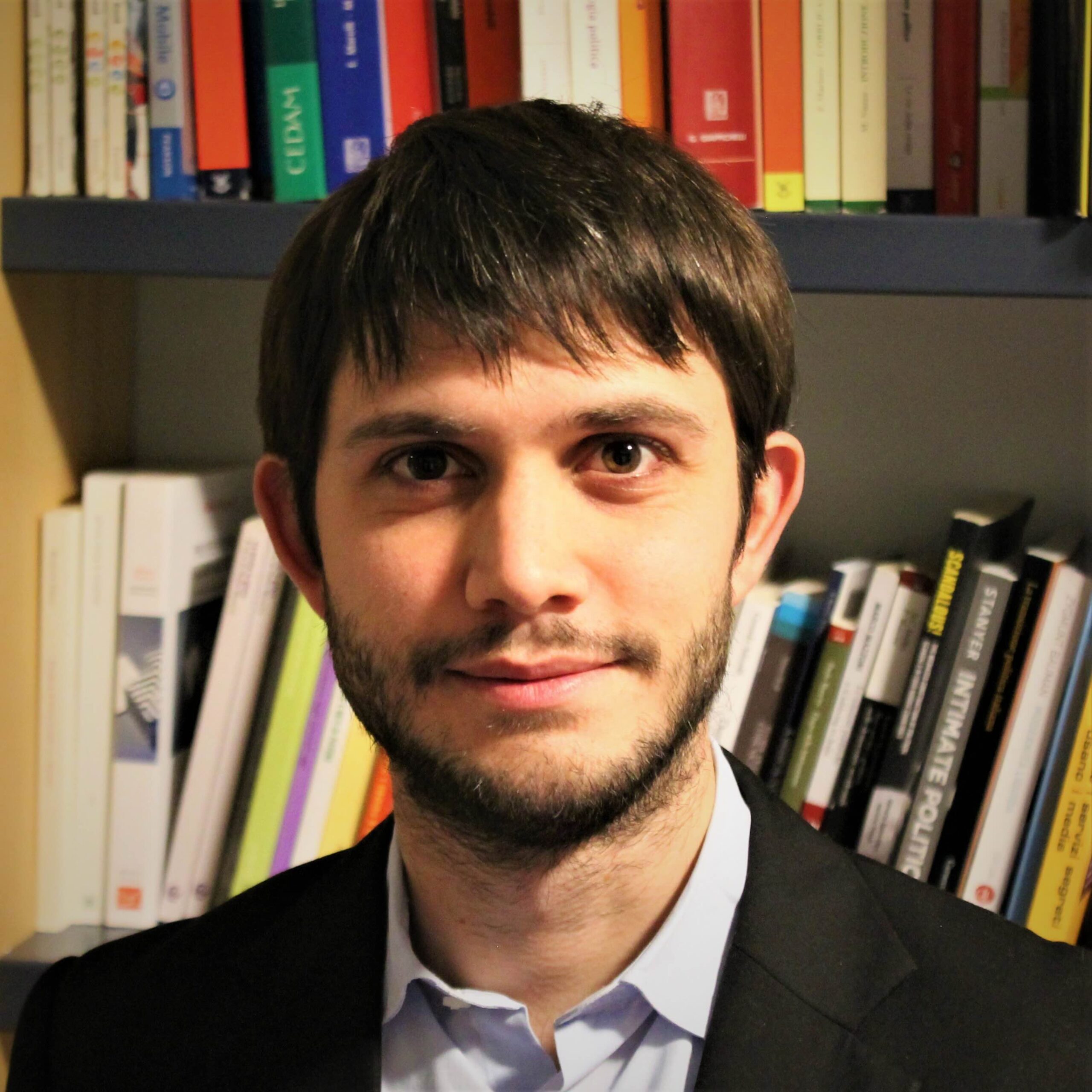
Assistant Professor at the Department of Political Science
Roberto Mincigrucci is Assistant Professor at the Department of Political Science of the University of Perugia. His research focuses on journalism, corruption, and the analysis of different forms of political communication. He has participated in several national and European research projects on corruption and anti-corruption, including ANTICORRP (FP7), APTA MOD (EU Hercule III Programme), PolitiCAnti (MIUR PRIN 2017), and SOMMOSSA (MUR PRIN 2022 PNRR). His work has been published in leading international journals, including European Journal of Communication, Journalism, The International Journal of Press/Politics, International Journal of Strategic Communication, and Social Media + Society.
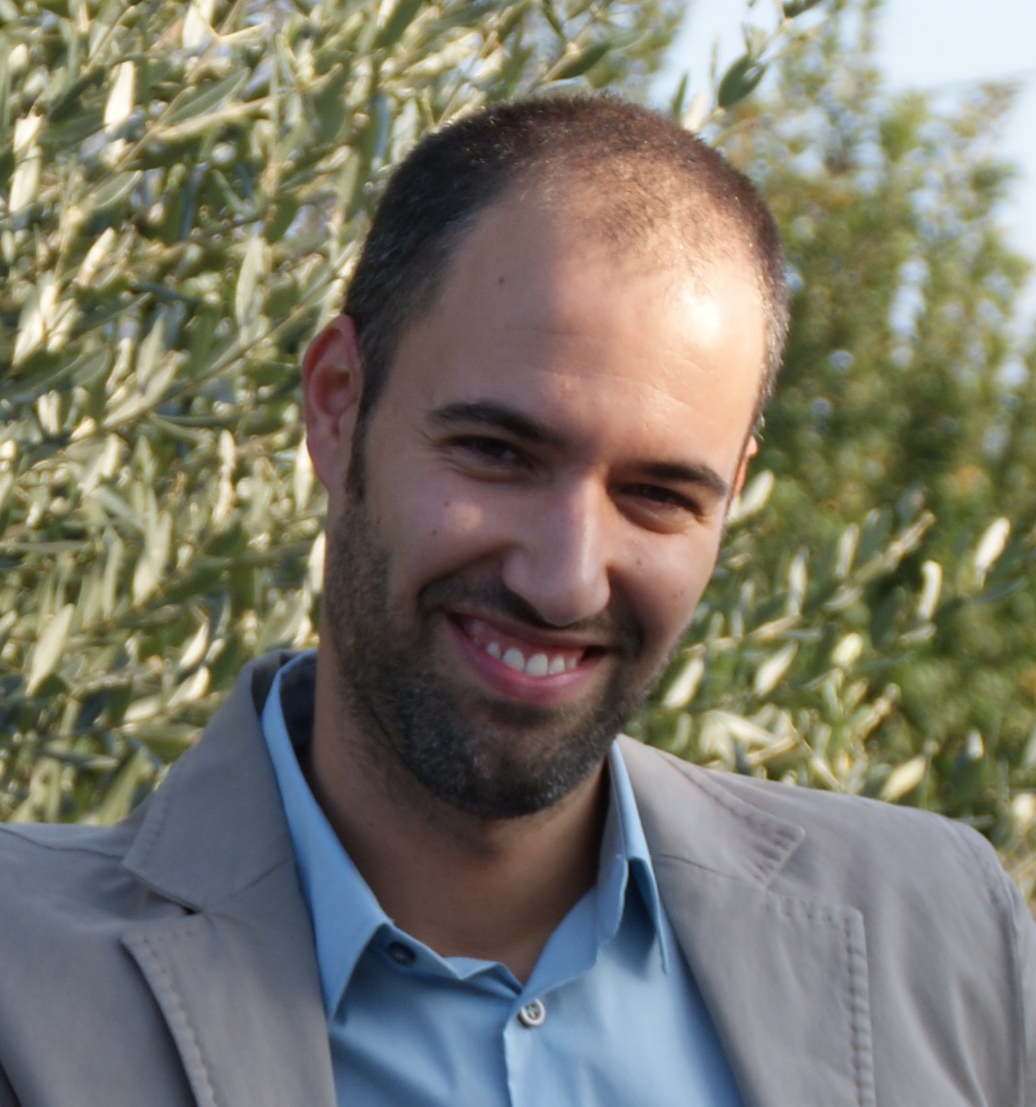
Assistant Professor at the Department of Political Science
Simone Del Sarto is Assistant Professor of Statistics at the Department of Political Science, University of Perugia. His main research interests focus on latent variable models and the construction of composite indicators in the fields of education and corruption measurement. He is the author of several publications in national and international peer-reviewed journals, with a particular emphasis on the measurement of corruption in public procurement markets through advanced statistical methods. He has worked as a statistical consultant for the Italian National Anti-Corruption Authority (ANAC) within the project “Measurement of Corruption Risk at the Territorial Level and Promotion of Transparency”, contributing as part of a multidisciplinary team to the development of corruption risk indicators aimed at strengthening prevention measures and enhancing transparency in public administration.

PhD researcher in Legality, Political Culture and Democracy at the Department of Political Science
Selena Mariano is a PhD researcher in Legality, Political Culture and Democracy at the Department of Political Science, University of Perugia. She is currently involved in the Horizon Europe project BRIDGEGAP, where she supports research activities related to media and communication.
Her PhD research focuses on gender-based violence, secondary victimisation, and the role of language and stereotypes in judicial contexts. Her publications appear in peer-reviewed journals such as Etica Pubblica, About Gender, Poliarchie/Polyarchies, and Behavioural Sciences and the Law.

Research fellow at the Department of Political Science
Susanna Pagiotti (PhD) is Research Fellow at the Department of Political Science at the University of Perugia. Her research interests include political communication, journalism, corruption, social policies, and the media coverage of religion.
She has participated in several national and European research projects on corruption and anti-corruption, including ANTICORRP (FP7), PolitiCAnti (MIUR PRIN 2017), and SOMMOSSA (MUR PRIN 2022). She has also been involved in project on journalistic practices and is currently part of the international Journalistic Role Performance Project (JRP), a cross-national research network coordinated by Claudia Mellado (Pontificia Universidad Católica de Valparaíso, Chile), which systematically analyzes the state of journalistic cultures in the evolving global media landscape.
Winner of the 2022 Giovani Polis Award, her work has been published in national and international journals such as Journalism Practice, Social Media + Society, American Behavioral Scientist, and the International Journal of Strategic Communication. More information is available at: https://orcid.org/0000-0002-7913-345X

Center for the Study of Democracy
The Center for the Study of Democracy (CSD) was established in late 1989 as an interdisciplinary public policy institute fostering the reform process in Europe through impact on policy and civil society. CSD’s mission is “building bridges between scholars and policy-makers” and as an independent, interdisciplinary think tank it combines research excellence with policy advocacy. CSD is best known in Europe for its work on anti-corruption, good governance, and tackling Russian malign influence. In its efforts to counter strategic corruption, CSD developed a methodology for estimating authoritarian-driven economic footprint through the “Kremlin Playbook” series. The approach also identifies the enablers of corrosive capital and vulnerable sectors in the given countries.
Role in the Project
CSD will apply its expertise in corruption dynamics, state capture and foreign malign influence, to propose and implement innovative methodologies to assess the links between state-driven corruption and foreign undue influence in Europe. Research and policy work will focus on Russia’s infiltration in Europe, MENA countries’ undue influence on EU institutions, and Chinese subversion of EU good governance policies in Africa. CSD will also study media capture as a tool for shaping policy agendas abroad, including by amplifying the spread of disinformation and propaganda. CSD’s work will include mapping anti-corruption regulatory and institutional frameworks, assessing enforcement gaps, and creating policy recommendations and training materials. These efforts will build on CSD’s breakthrough Kremlin Playbook series, which estimates the economic footprint of authoritarian influence.

KEDGE Business School
KEDGE Business School is a prestigious French business school and grande école with triple accreditation (AACSB, EQUIS, and AMBA). Grande écoles are distinguished academic institutions that admit students through a highly competitive process, and a significant number of their graduates hold prominent positions in French society. In 2013, KEDGE was established through the merger of two renowned business schools, each well-established in its respective region and already enjoying international recognition: BEM (Bordeaux Management School) in Bordeaux, founded in 1874, and EUROMED Management in Marseille, founded in 1872. KEDGE operates campuses in various locations, including Marseille, Bordeaux, Toulon, and Paris in France; Dakar in Senegal; Abidjan in Côte d’Ivoire; and Shanghai and Suzhou in China.
Role in the Project
The team from KEDGE Business School is actively involved in three work packages within this project. Their primary contributions lie in the realm of utilising digital technologies (Work Packages 6 and 7) to identify and prevent corruption in the initial phases of the project. As the project progresses, the team will take the lead in dissemination activities, manifested through the creation of a Massive Open Online Corruption Course (MOOCC) (Work Package 10). Specifically, the focus of the KEDGE team will be on the digital transformation of corrupt practices, leveraging Artificial Intelligence (AI), Social Media, and educational technologies.
Professor of Digital Marketinge
Aleksej Heinze (PhD) is Professor of Digital Marketing at KEDGE Business School, France. His research focuses on stakeholder-centric digital strategy, digital marketing, and the impact of emerging technologies—such as generative AI—on business models, corruption, and marketing practices.
He has led and contributed to several international research and education initiatives, including Passport To Trade and JEMSS, addressing digital transformation and marketing innovation. His work integrates digital marketing, data-driven decision-making, and sustainability frameworks to support organisations operating in complex digital environments.
He has published in academic journals and books and is actively involved in executive education and international collaborations, including the Horizon Europe project BRIDGEGAP.
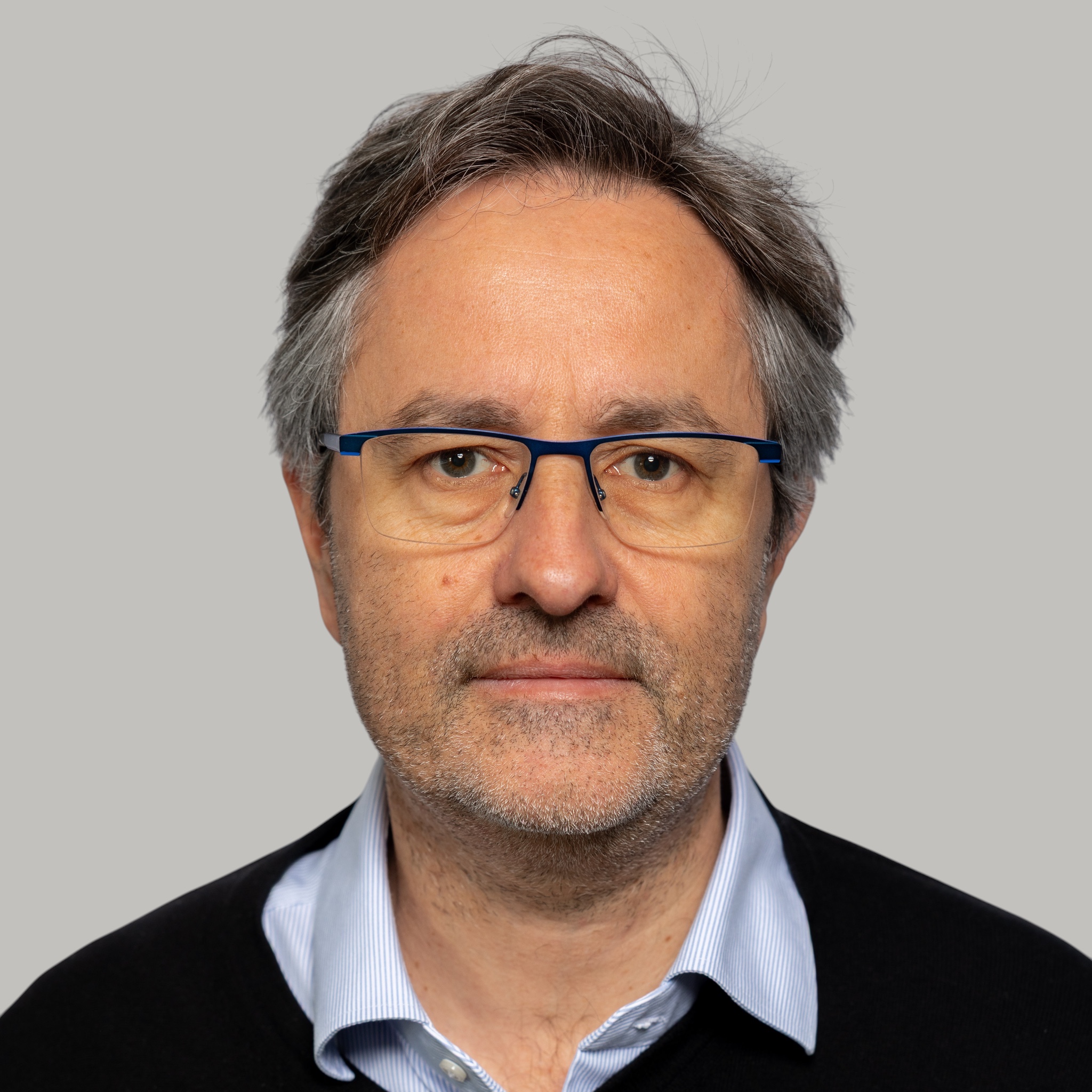
Full Professor of economics and CSR
Julien Hanoteau is full professor of economics and CSR at KEDGE Business School, Marseille, France, and director of the KEDGE PhD program. His research focus on corruption, lobbying, entrepreneurship and development, multinational firms in emerging countries.
He has published articles in World Development, Papers in Regional Science, Managerial and Decision Economics, Journal of Business Research, Social Indicators Research, Journal of Entrepreneurship and Public Policy, Business Horizons, Eurasian Business Review.
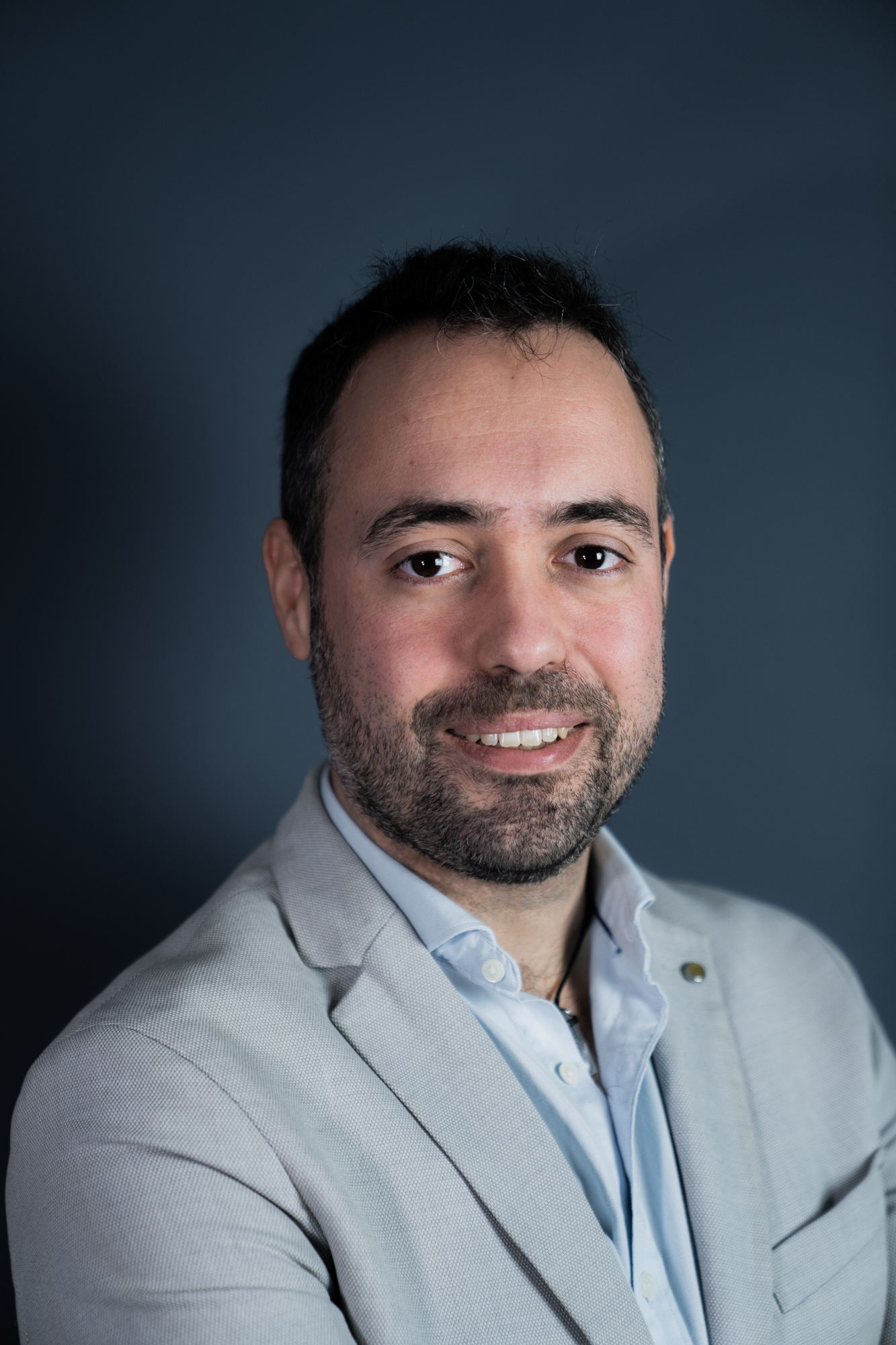
Full Professor of International Business
Alfredo Jiménez is Full Professor of International Business at Kedge Business School in Bordeaux (France). His research interests are focused on the process and determinants of success in the internationalization strategy of firms. He is also working on a research line devoted to virtual and multi-cultural team management and dynamics.
His research has appeared in the Journal of International Business Studies, Harvard Business Review, British Journal of Management, Journal of World Business, Global Strategy Journal, Business and Society, International Business Review, Journal of Business Research, Technological Forecasting and Social Change, and Journal of International Management.
He has also been a visiting scholar in different institutions in Norway, Germany, Australia, Singapore, Italy, Ecuador, and Mexico. He is project reviewer for the Spanish Ministry of Economy and Competitiveness and for the Government of Ecuador and Poland. He was included in the 40 under 40 list of Poets&Quants (2021).

The Institute for Futures Studies
The Institute for Future Studies is an independent research foundation based in Sweden. The institute has two aims. One of which is to conduct future studies, to promote a future-oriented perspective in research, and to use and develop appropriate theory and methodology. Our current research program includes work on climate change, new technologies, corruption, prejudices that govern our actions, and future democratic structures. The institute’s second aim is to stimulate an open and broad discussion about possibilities and threats to future social development. We do this by organizing seminars, publishing reports and communicating research via newsletters, Facebook, Twitter and this site, but also by our researchers participating in debates, visiting politicians, government agencies and companies, and sharing their knowledge through public media.
Role in the Project
The Institute for Future Studies leads work package two. It is responsible for investigating the actors and patterns of malign ecosystems responsible for weaponised corruption, capture, and undue influence operations on political decision making, in search of a unified policy response. It will map and model the ethnography of undue influence and cross-border corruption focusing on three thematic areas energy capture, offshore capture and knowledge capture. These thematic areas will be examined using six case studies populated with data using specialist investigative research and analysis methods.